Megan considered herself healthy. She exercised most days, ate well, and took pride in taking care of herself. Her family seemed to have good genes, her grandmother lived into her nineties, and her mom still walked every morning at seventy-five. So, when her doctor asked if she had a family history of heart disease, she shrugged.
“Not that I know of,” she said.
But during a weekend visit, Megan’s dad casually mentioned he’d been on cholesterol
medication for years.
“My doctor said it’s probably genetic,” he said, almost like it was no big deal. That comment stuck with her.
At her next appointment, Megan brought it up. Her physician ordered an Lp(a) test, which looks at a genetic marker for heart disease risk, something you can’t change with diet or exercise alone. Her results came back elevated.
It was a surprise, but also an opportunity. With her doctor’s help, she looked closer at her diet. She realized that even though she ate “healthy,” it was still higher in saturated fat than ideal. She wasn’t getting enough soluble fiber or heart-healthy fats, and fish wasn’t something she ate often.
So, she made some changes. She swapped red meat for beans and lentils a few nights a week, started using olive oil instead of butter, and made salmon part of her regular routine. She checked in with her physician regularly to monitor her cholesterol and other markers.
Now, in her late fifties, Megan feels great—and confident. She knows she’s doing what she can to lower her risk and stay healthy long-term. Her family history didn’t scare her; it guided her.
Now imagine a different version of Megan.
Same person, same habits, same good intentions, but this time, she never had that conversation with her dad. She continued what she was doing, assuming she was low risk because she felt good and lived “healthy.”
At sixty-five, she began noticing chest pressure on her morning walks. She brushed it off as stress or aging until it got worse. A stress test led to a heart catheterization and a stent. She recovered, but her life shifted. Suddenly, she was on four new medications and juggling appointments with both her primary care doctor and a cardiologist several times a year. The cost, time, and worry weighed on her.
The difference between these two versions of Megan isn’t luck—it’s knowledge. Knowing your family history gives you power. It helps you take action instead of waiting for something to happen. Too often, people think family history is just another box to fill out at the doctor’s office, but it’s actually one of the most valuable, and underused, tools in medicine.
When you know what runs in your family, your doctor can tailor your care in ways that go beyond general guidelines.
For example, most people know women are advised to start mammograms at 40. But if you have a strong family history of breast cancer, especially if someone was diagnosed young, you may need to start earlier or add additional imaging.
The same goes for colon cancer. The general guideline is to start screening at 45, but if you have a parent or sibling diagnosed early, that timeline moves up. Heart disease, diabetes, and other conditions follow the same pattern. When you know your family history, you can use it to stay ahead instead of reacting later.
Family history also changes how we interpret “normal.”
If your cholesterol is slightly high but both of your parents had heart disease, that number
carries more weight. If your blood sugar is creeping up and you have a family history of diabetes, it might be time to make changes before it becomes a diagnosis.
It’s the difference between reactive care—waiting for something to go wrong before you address it—and proactive care—taking steps early to stay well.
Your family history doesn’t just help you; it helps the next generation. When you learn about your family’s health patterns and share them with your doctor, that knowledge benefits your kids and even your grandkids. They’ll have a clearer understanding of their own risks and how to manage them.
This isn’t about fear. It’s about empowerment. It’s about knowing where you stand so you can make informed choices, not just hope for the best.
If you’re not sure where to start, try asking your family some simple questions:
- Has anyone had cancer? What kind and at what age?
- Any heart disease, high blood pressure, or stroke?
- Any diabetes or kidney disease?
- Any early or unexplained deaths in the family?
Write it down and bring it to your next visit. Even a few details can make a big difference in how your doctor personalizes your care.
We can’t change our genes, but we can change what we do with that information. Megan’s story shows that being proactive doesn’t mean doing everything perfectly; it means being curious, asking questions, and making small, smart changes that add up over time.
So, start the conversation. Ask your family about their health stories. Because your family history isn’t just about the past—it’s one of the best tools you have for your future.
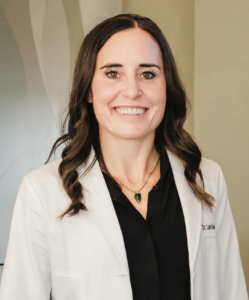
Dr. Lara Baatenburg is a physician with a concierge practice in Ada and she is a regular contributor to GR Magazine. She believes that while knowing your family’s medical history helps identify risk, long-term health is built through simple, consistent habits. One of the most powerful—and overlooked—tools she recommends is a daily walk. It lowers stress, supports metabolic and heart health, boosts mood, and creates a rhythm people can actually sustain over time.